Coaster Chronicles: A History of Drink Coasters

I never gave coasters a second thought until I noticed a water ring on my grandmother’s antique side table and got yelled at for a solid ten minutes. That table has been in her family since forever, and I ruined a corner of it with one careless glass of iced tea. So naturally, once I recovered from the guilt, I got curious about the little disc of material that could’ve saved me from that whole disaster.

Coasters go back further than I expected. The earliest versions showed up around 1700, originally designed to protect decanters and wine bottles so they could be “coasted,” or slid, across a table without spilling or scratching the surface. That’s actually where the name comes from. The word traces back to Old French costier, meaning “of the coast,” which ties back to the idea of something skirting along an edge or border. So really, a coaster’s whole identity is built around the idea of gliding something along a surface safely, which honestly feels like a very literal name for once.

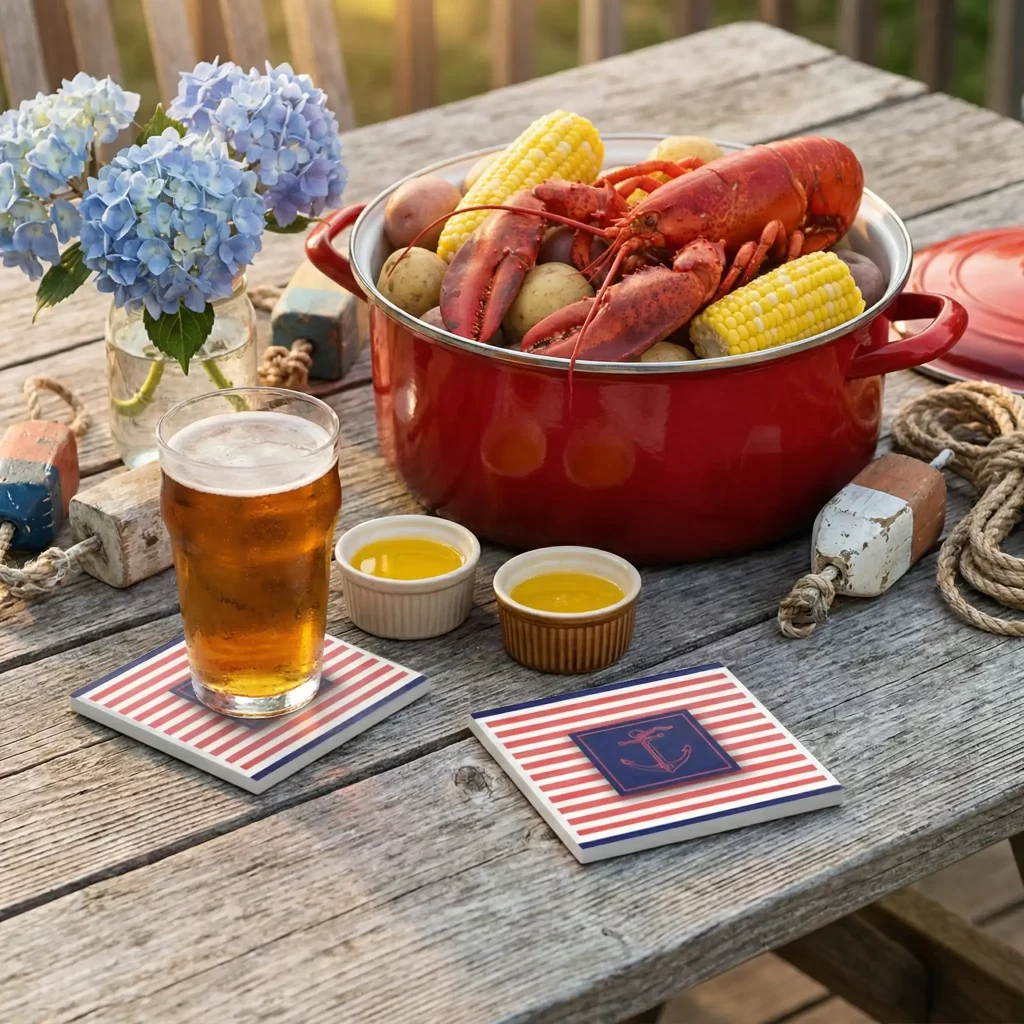
By the 1760s and 1770s, coasters had become common table fixtures across Europe, often called beer mats depending on the region. Their job was practical from day one: soak up condensation, prevent heat damage, and act as a barrier between a drink and whatever surface it’s sitting on. But things shifted in a big way in 1880, when Friedrich Horn, a German printing company, designed the first cardboard beer mats, essentially inventing the disposable, mass-producible coaster we recognize today. A little over a decade later, in 1892 or 1893, the wood pulp-board variety we’re all familiar with now got patented in Dresden.

Then in 1920, Watney Brewery in the UK took things a step further and started printing their logo on coasters as a form of advertising. That single decision basically turned coasters into tiny marketing billboards, and breweries and bars around the world caught on fast. Suddenly a coaster wasn’t just functional, it was branding, decor, and a collectible all rolled into one flat little object sitting under your glass.

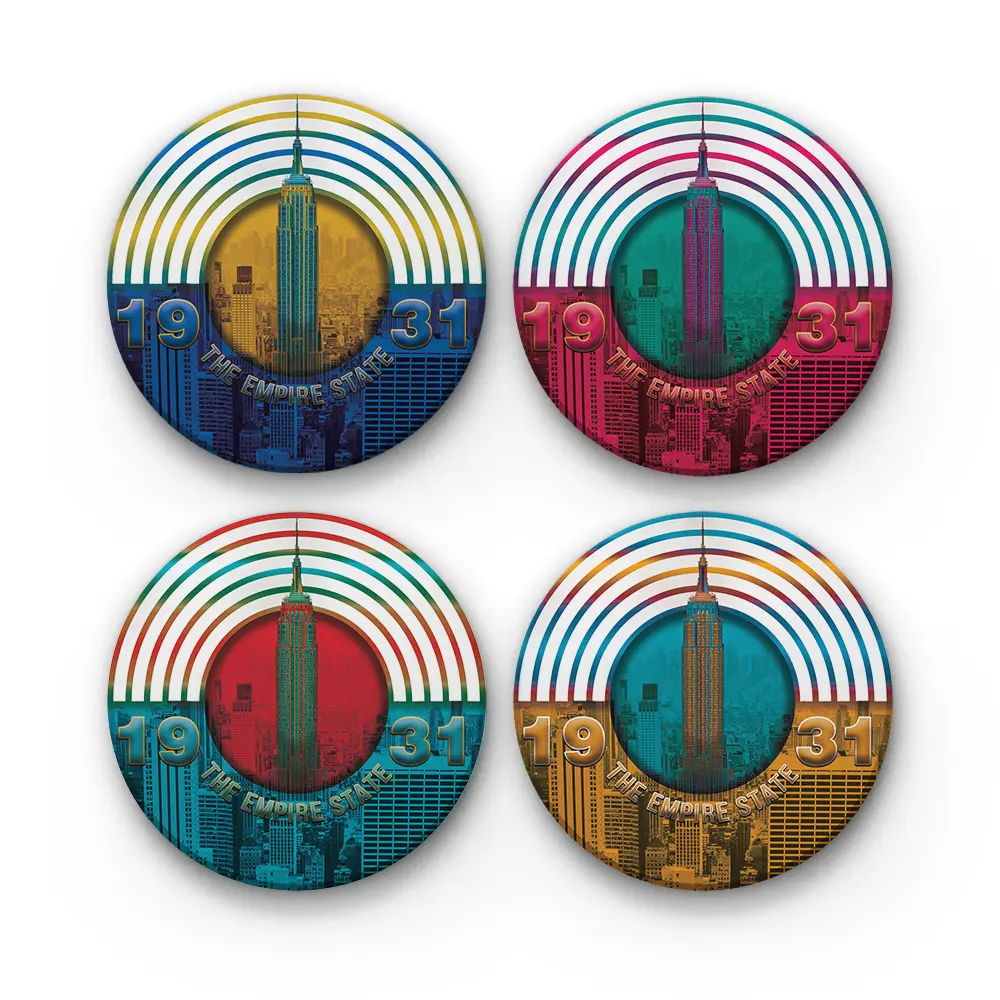
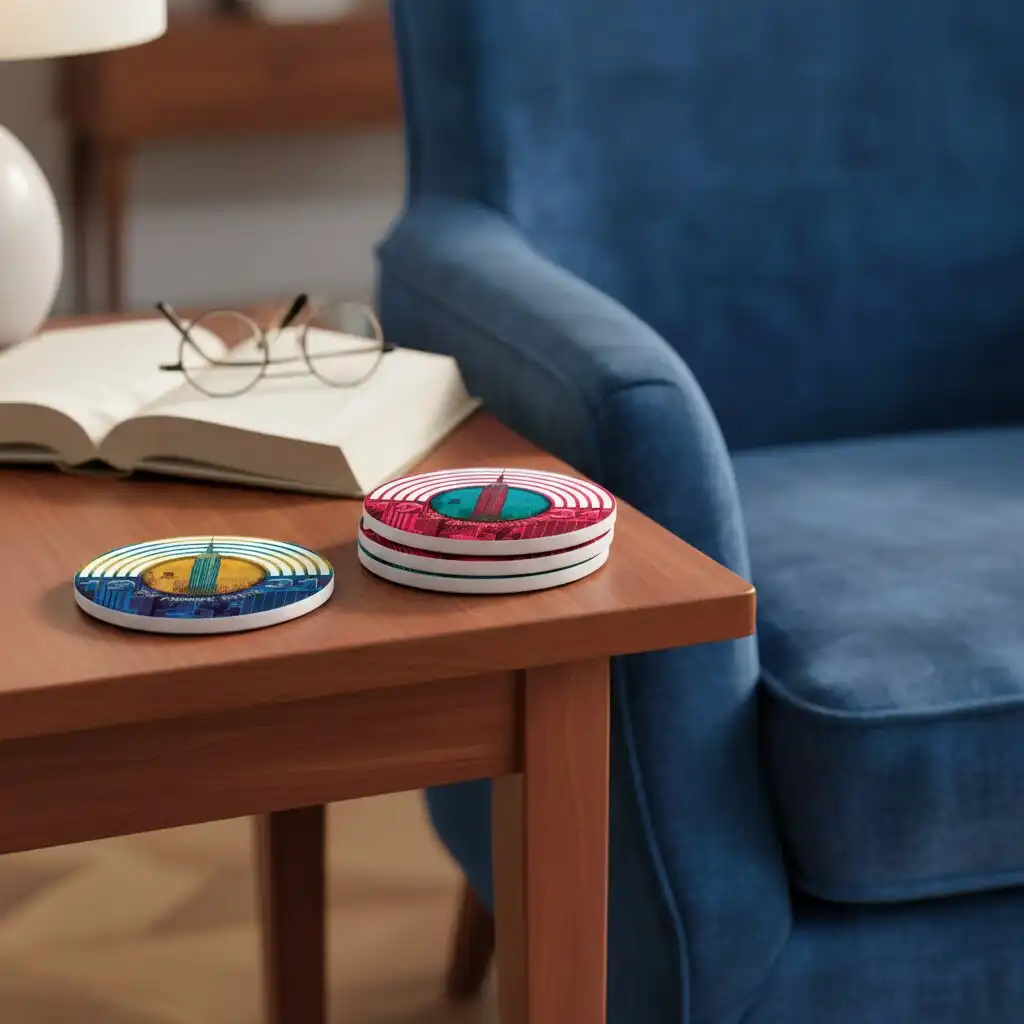
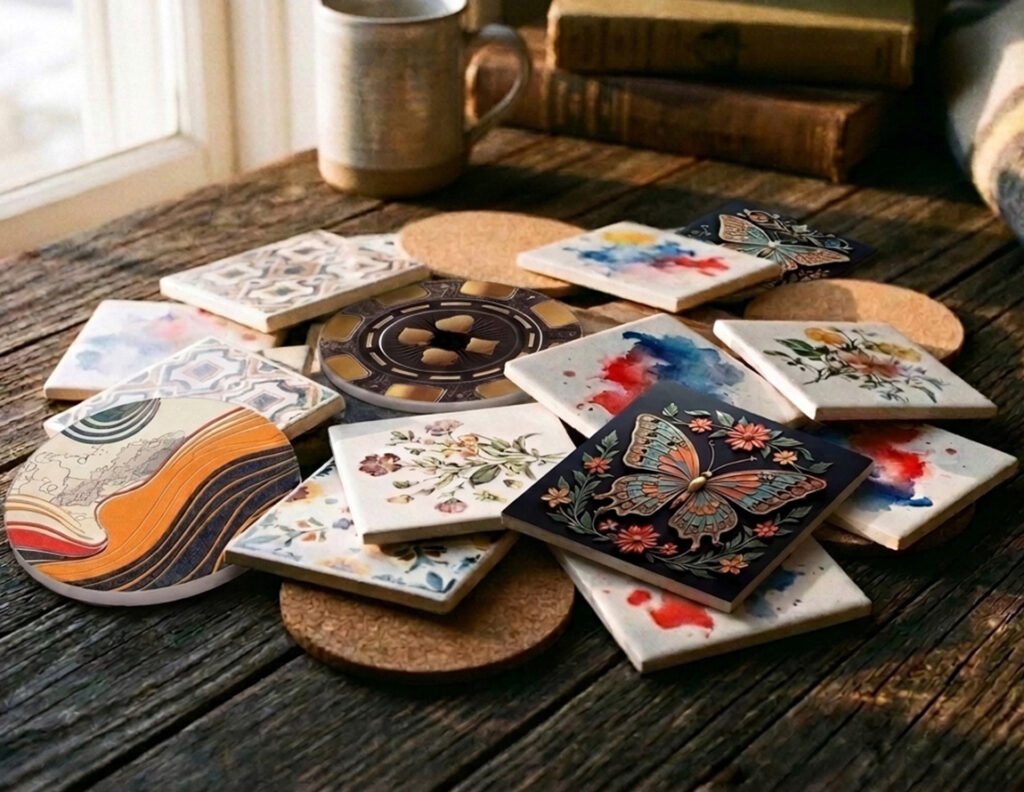
That’s really where the aesthetic angle kicks in. Once coasters became something companies wanted people to look at, design got involved, and coasters started showing up in decorative patterns, textures, and materials that matched the vibe of a table or a bar rather than just protecting it. 

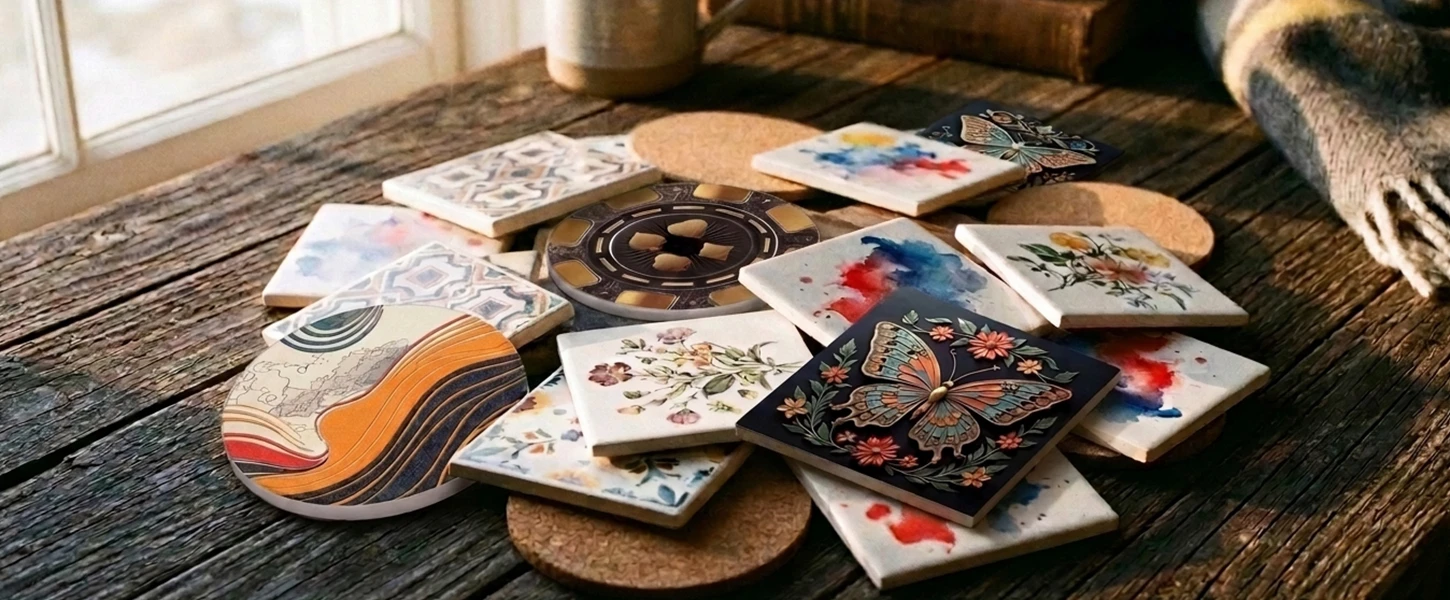
A rustic sandstone coaster tells a completely different story than a rainbow-striped cork one, and both do the exact same job. That’s the quiet genius of coasters. They’re utility wearing a costume.

The Many Types of Coasters

Coasters today come in a genuinely wide range of materials, and each one brings its own personality to the table (pun very much intended).

  • Cardboard and pulp board coasters remain the most common, especially in bars and restaurants, thanks to their absorbency and cheap production cost
  • Cork coasters offer natural grip and moisture resistance, and they’ve got that laid-back, earthy look that fits almost any kitchen
  • Wood coasters bring warmth and a handmade feel, often used in more upscale or rustic home settings
  • Slate and stone coasters, including sandstone, are prized for their ability to absorb condensation while looking sleek and a little dramatic on a table
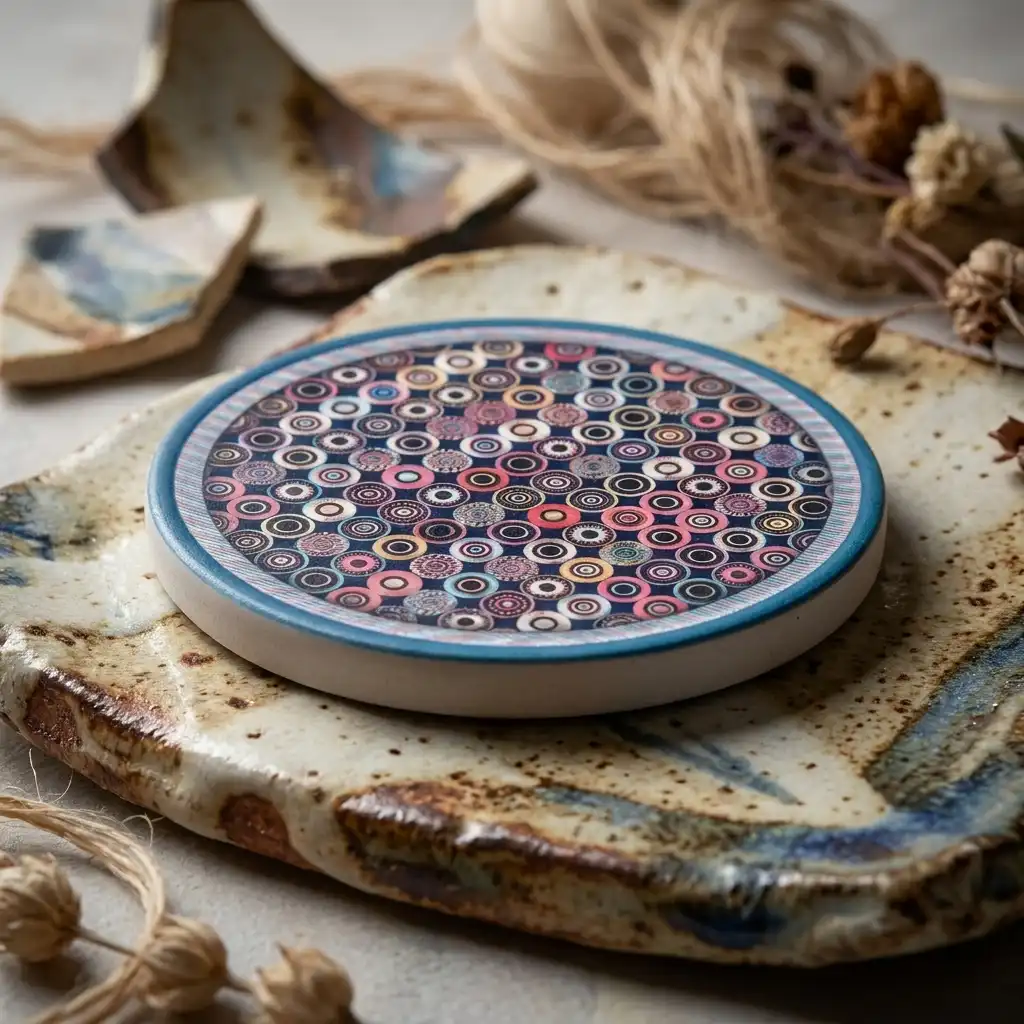
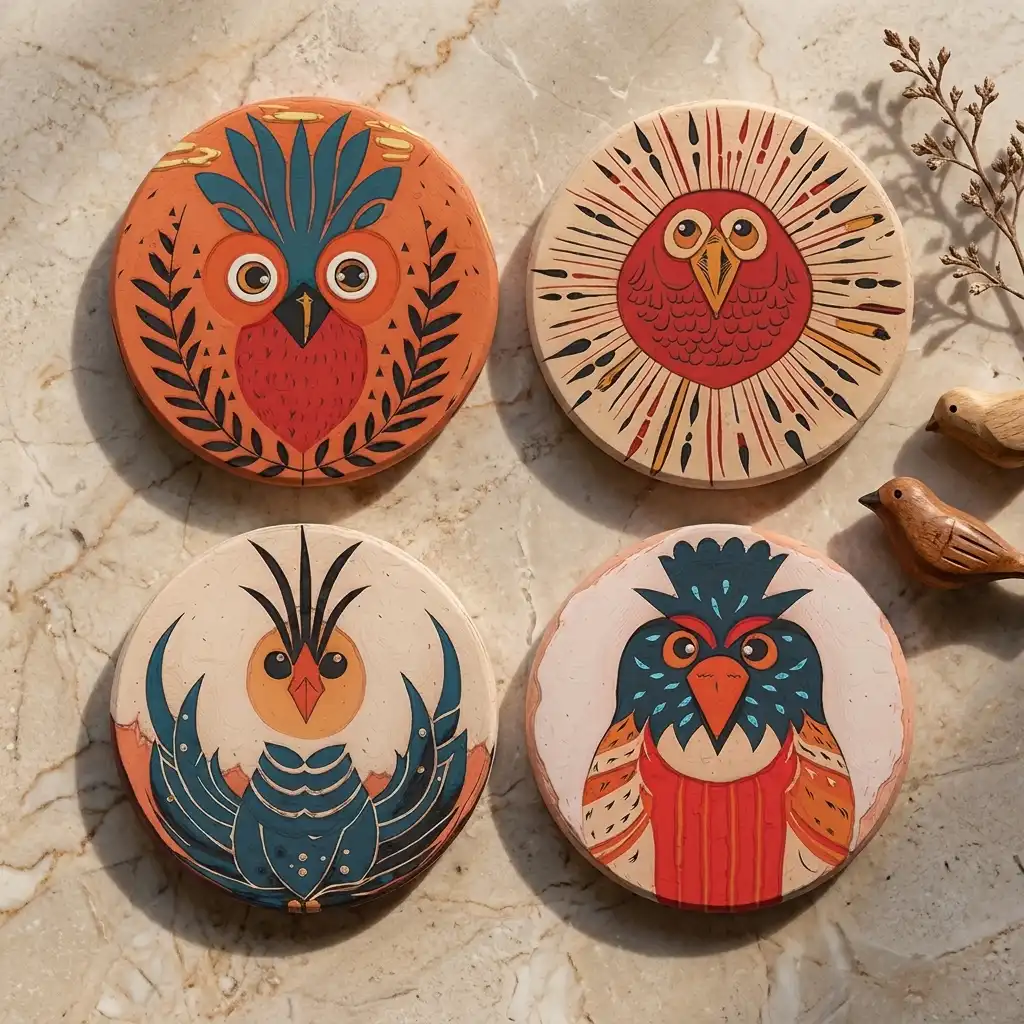
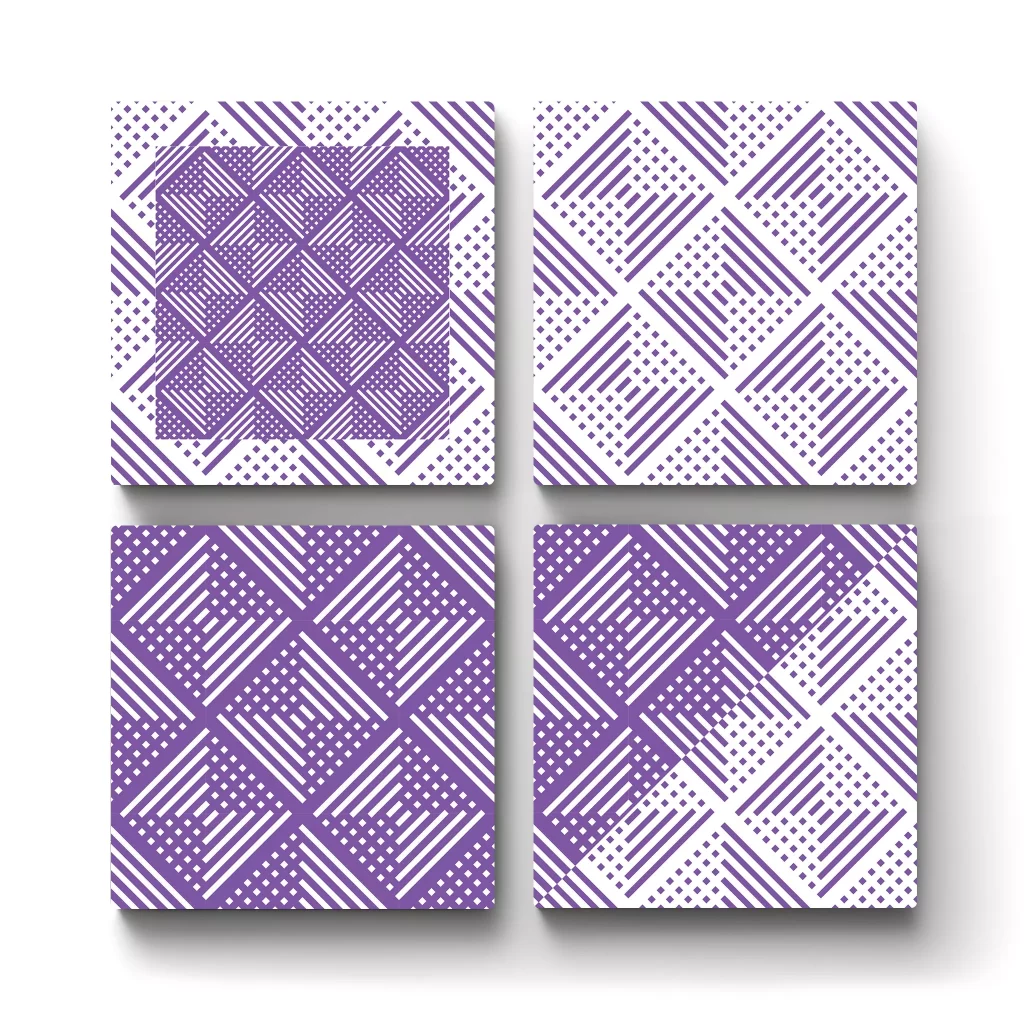
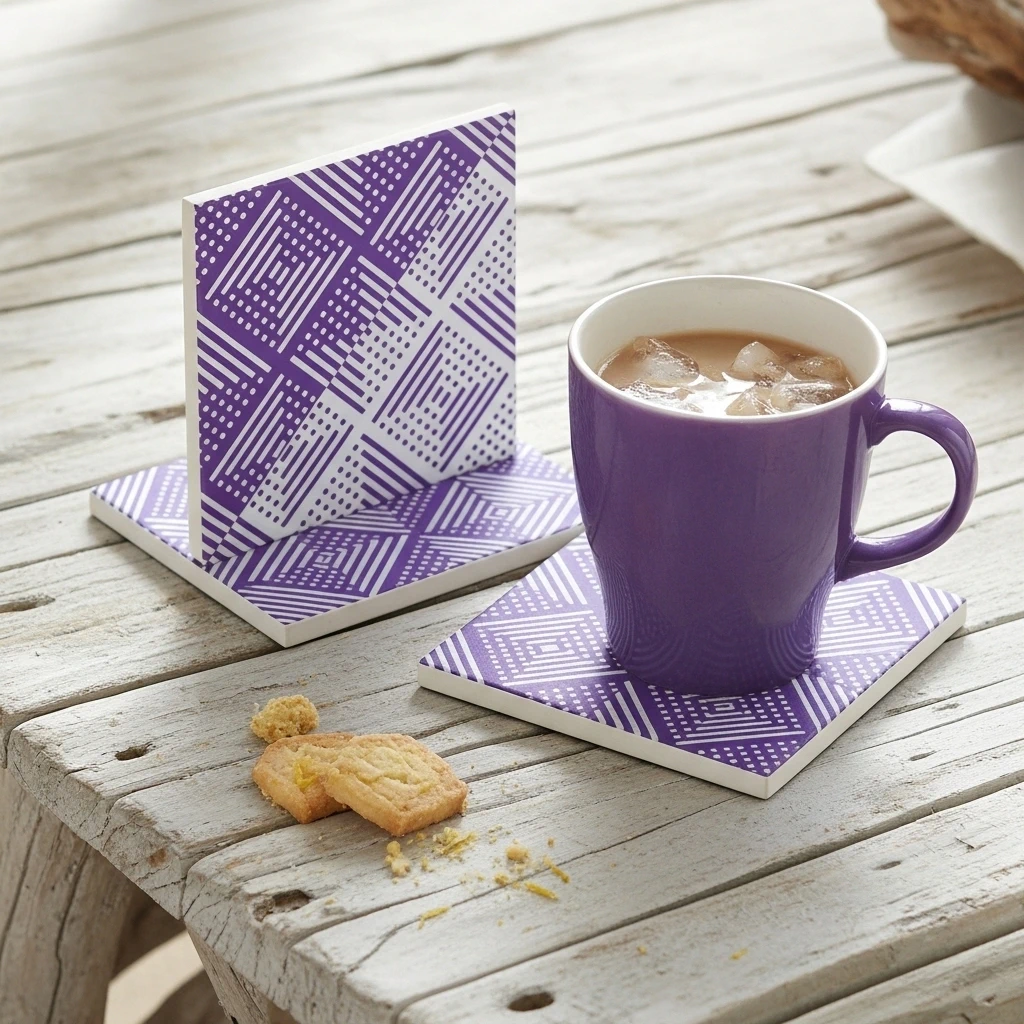
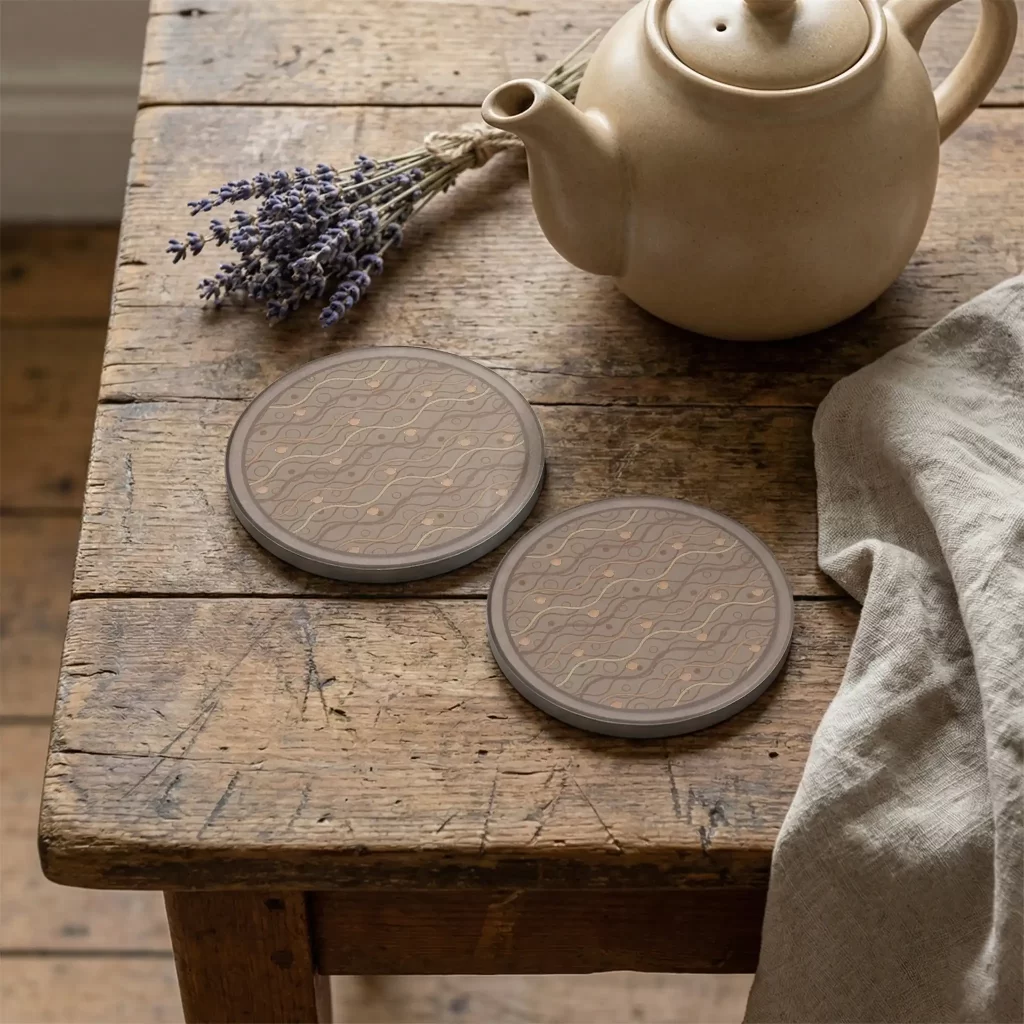
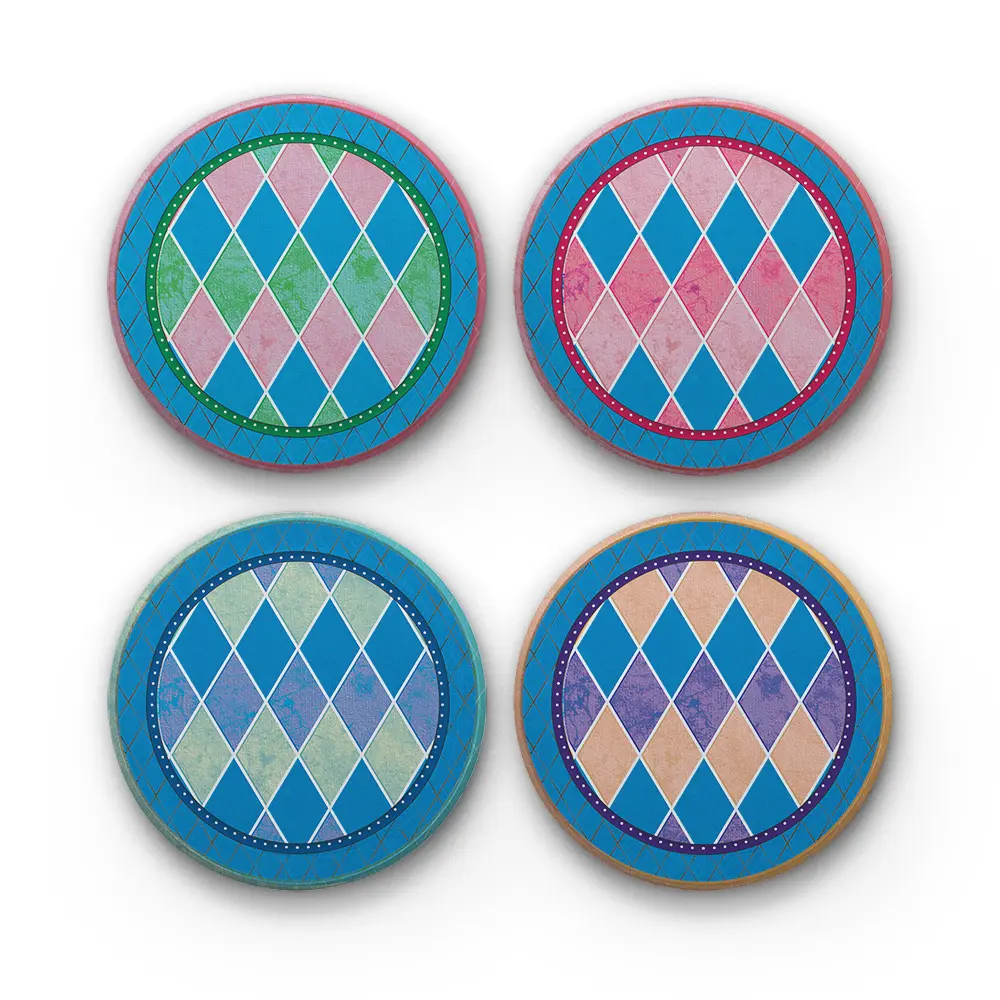
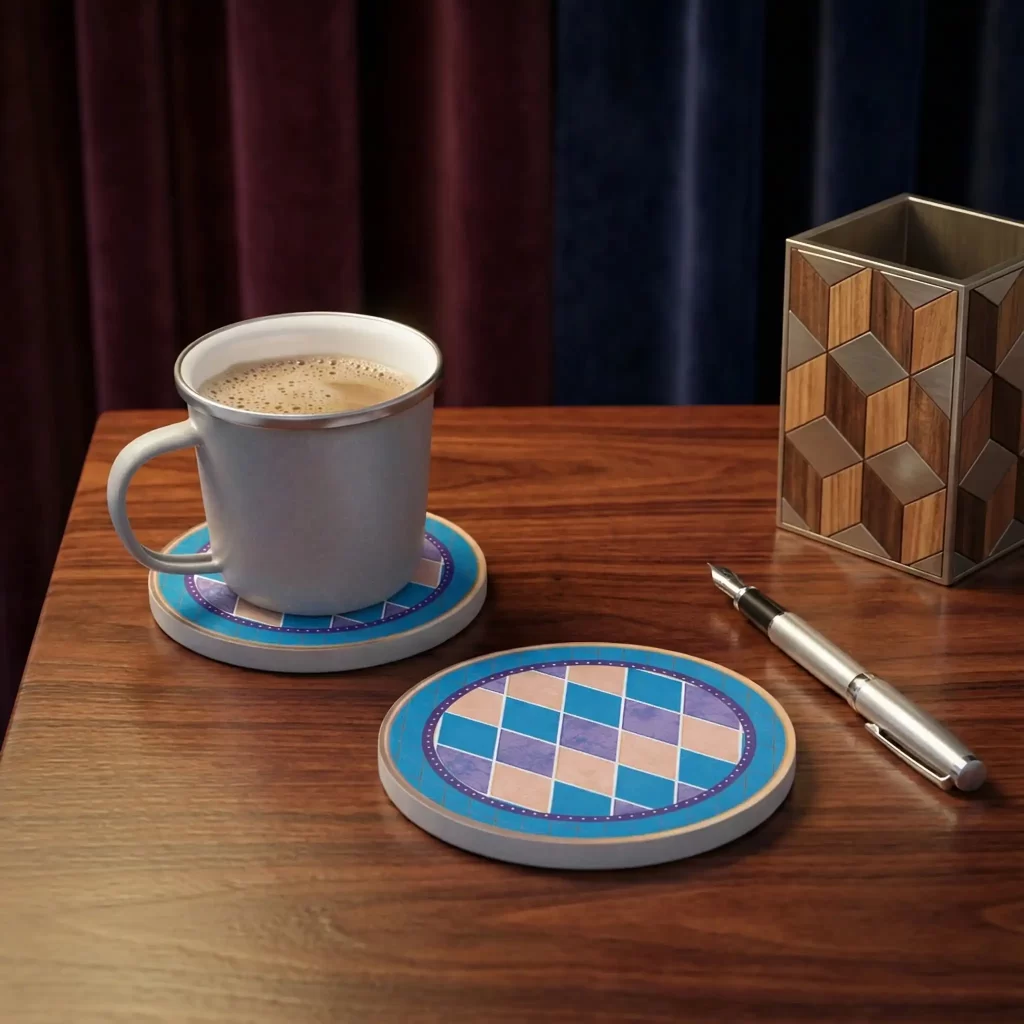
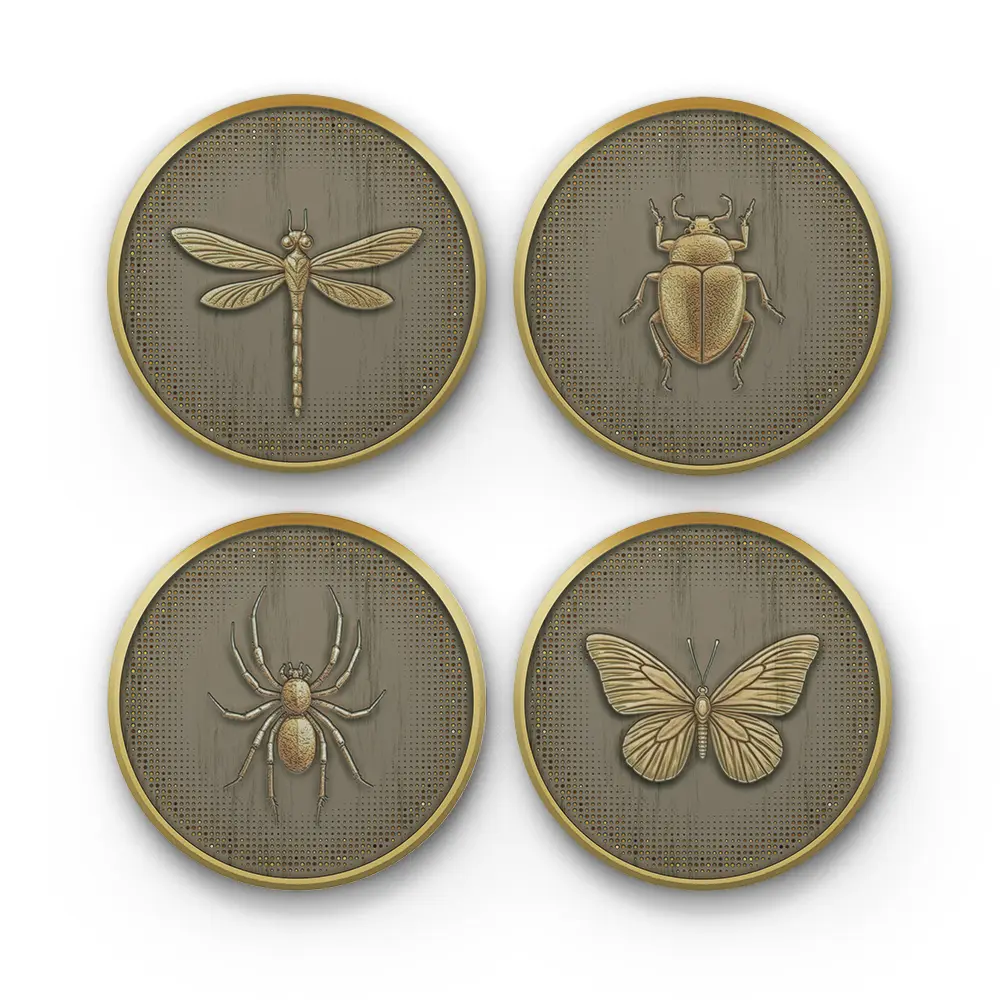
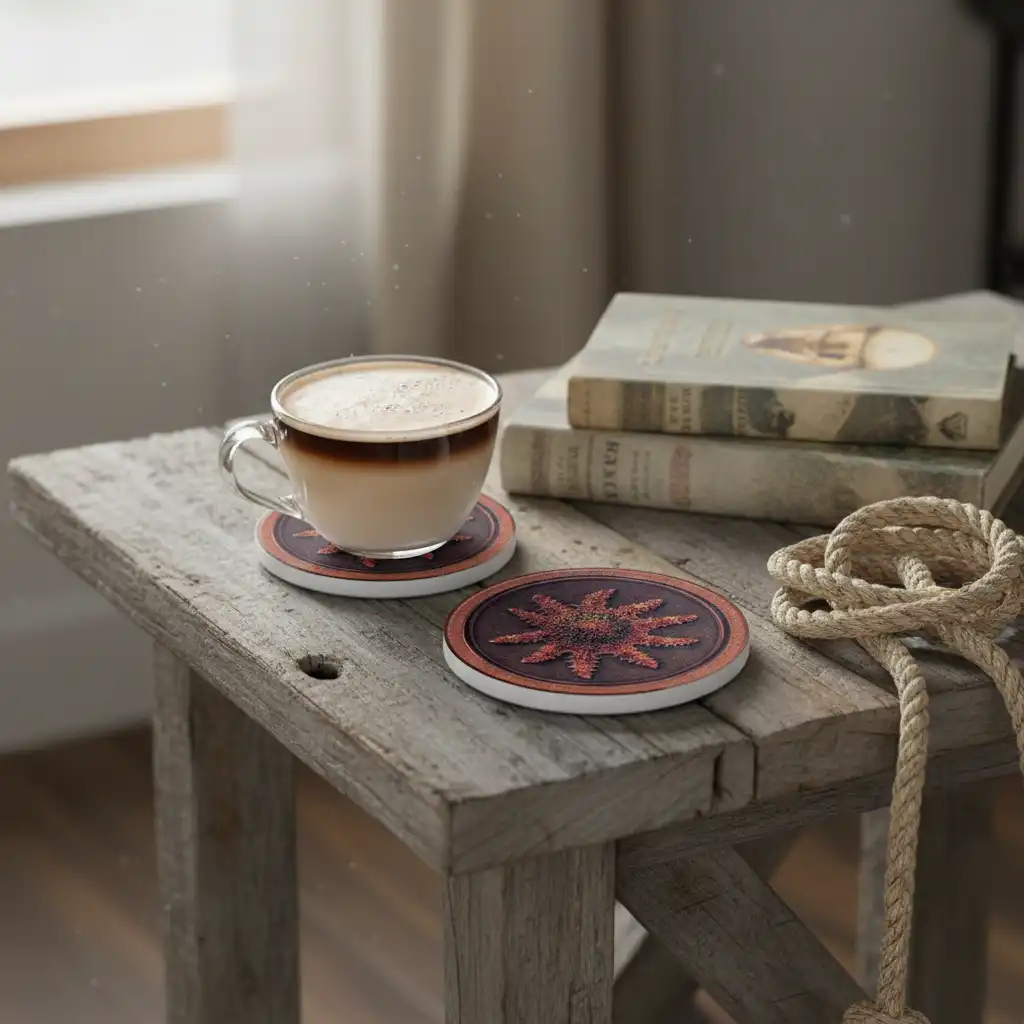
  • Ceramic and unglazed ceramic coasters strike a balance between decorative and functional, often showing up in sets with painted designs or patterns
  • Metal coasters add a modern, industrial edge, though they don’t absorb moisture the way porous materials do
  • Silicone coasters are the practical choice for households with kids or clumsy adults (me), since they’re flexible, durable, and basically indestructible
  • Marble coasters lean fully into luxury territory, often used as much for their visual weight as their function
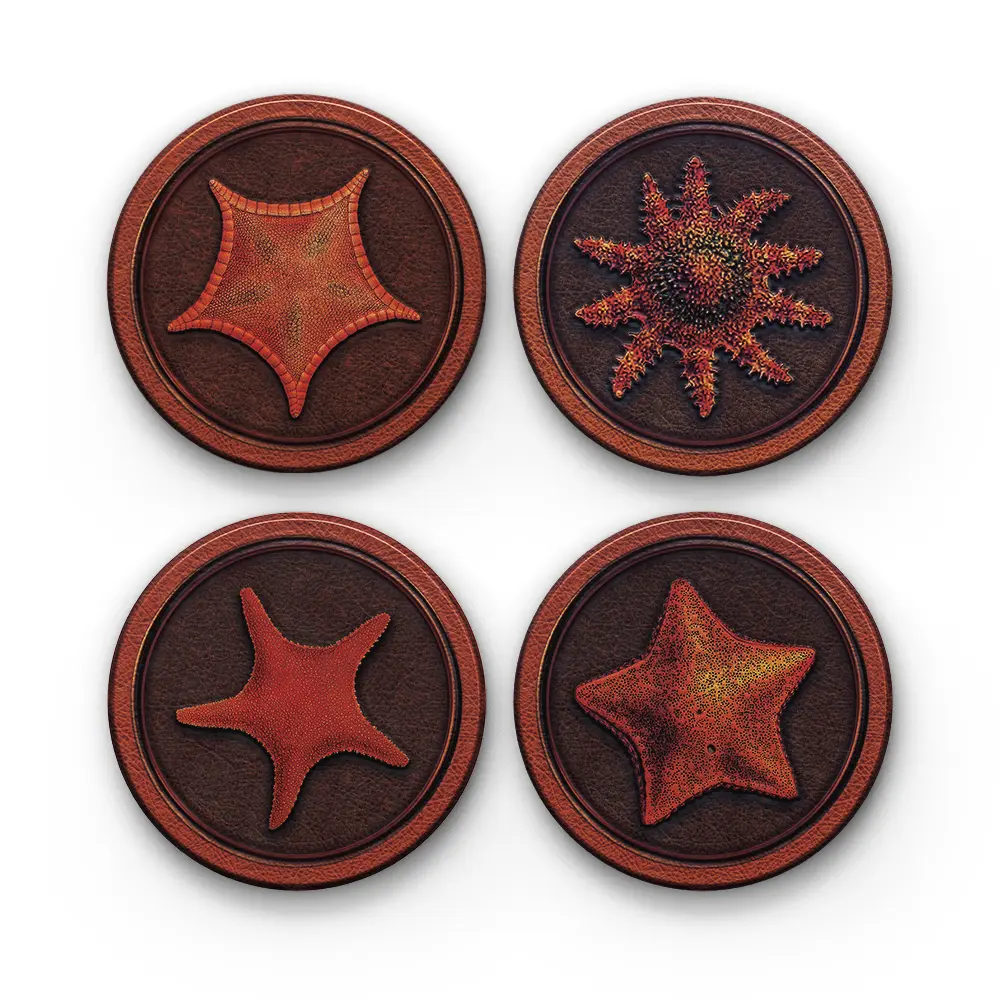
  • Leather coasters bring a rich, tactile quality that ages well over time, similar to a good leather jacket

Every material changes the whole personality of a table setting, which is honestly wild for something most people never think twice about.

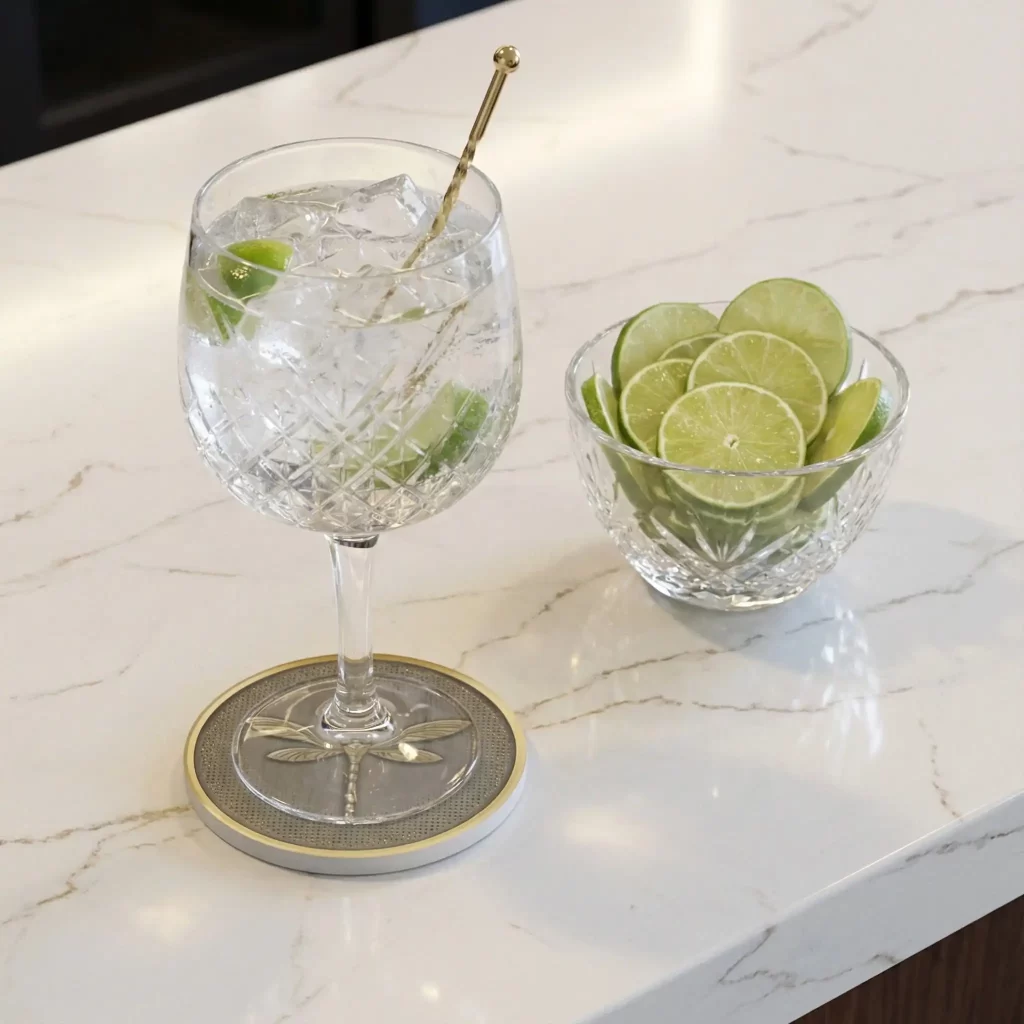
Coasters have quietly gone from a practical fix for spills to a genuine decor statement, and honestly, they deserve a little more appreciation for pulling double duty like that. If you’re looking to upgrade your own table game (or just tired of getting yelled at for ring stains, no judgment), check out the ceramic coasters we’ve got in the shop. They’re sturdy, they look great, and your furniture will silently thank you.

More from the Blog Corner

Welcome to our Blog Corner, where we write about subjects related to the items that we carry on the website.

...

I drink coffee like it’s my job, because most days, it basically is. Between managing product shoots, editing copy, and

...

I never gave coasters a second thought until I noticed a water ring on my grandmother’s antique side table and

...

I used to pack clunky, scratched-up plastic bottles on every summer trail. Upgrading to a stylish insulated tumbler changed my

...