





Coffee Culture Around the World: Sip and Explore

I drink coffee like it’s my job, because most days, it basically is. Between managing product shoots, editing copy, and staring at WooCommerce dashboards until my eyes cross, I’ve gone through more cups than I’d like to admit on a public blog. So, when I started digging into where all this coffee actually comes from, I fell down a rabbit hole I didn’t climb out of for three days.

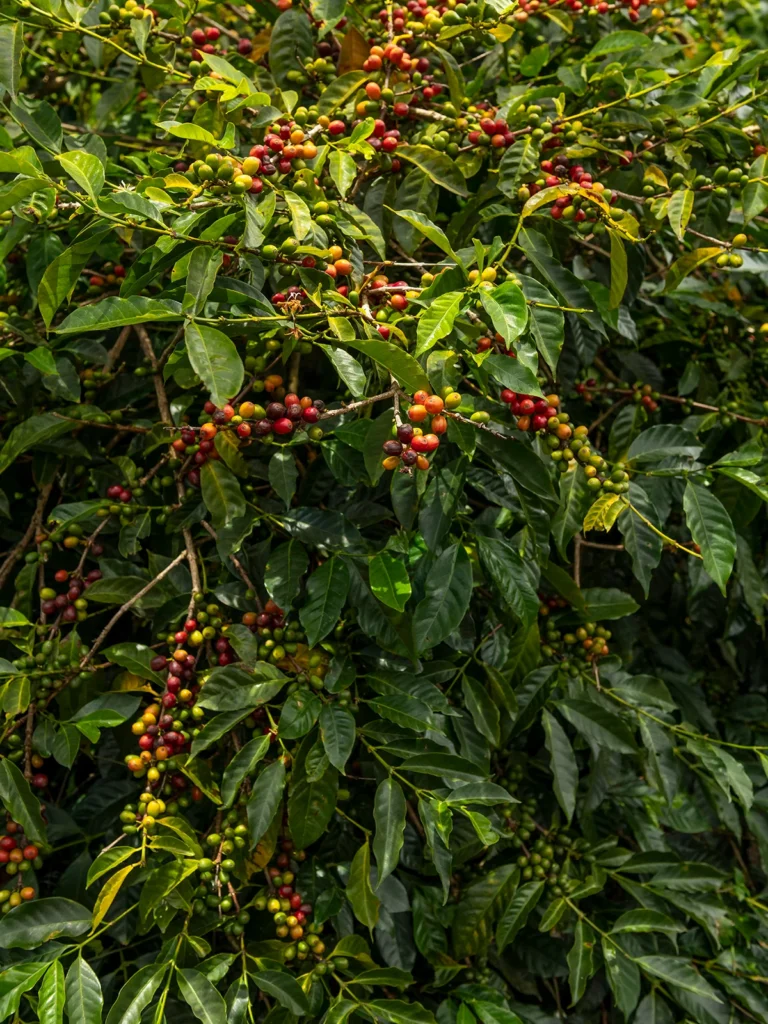
Coffee’s origin story starts in Ethiopia, sometime around the 9th century, depending on which legend you believe. My favorite version involves a goat herder named Kaldi who noticed his goats getting weirdly hyper after eating berries off a certain plant. He tried them himself, felt the buzz, and coffee was born. Is this historically airtight? Probably not. Do I choose to believe it anyway? Absolutely.

From Ethiopia, coffee made its way to Yemen, then spread through the Middle East, and eventually landed in Europe by the 1600s, where it promptly caused chaos. Coffeehouses became hotbeds for political debate, business deals, and gossip. Some historians credit these coffeehouses with fueling the Enlightenment. I credit my local coffeehouse with fueling my ability to answer emails before 9am, so I get it.

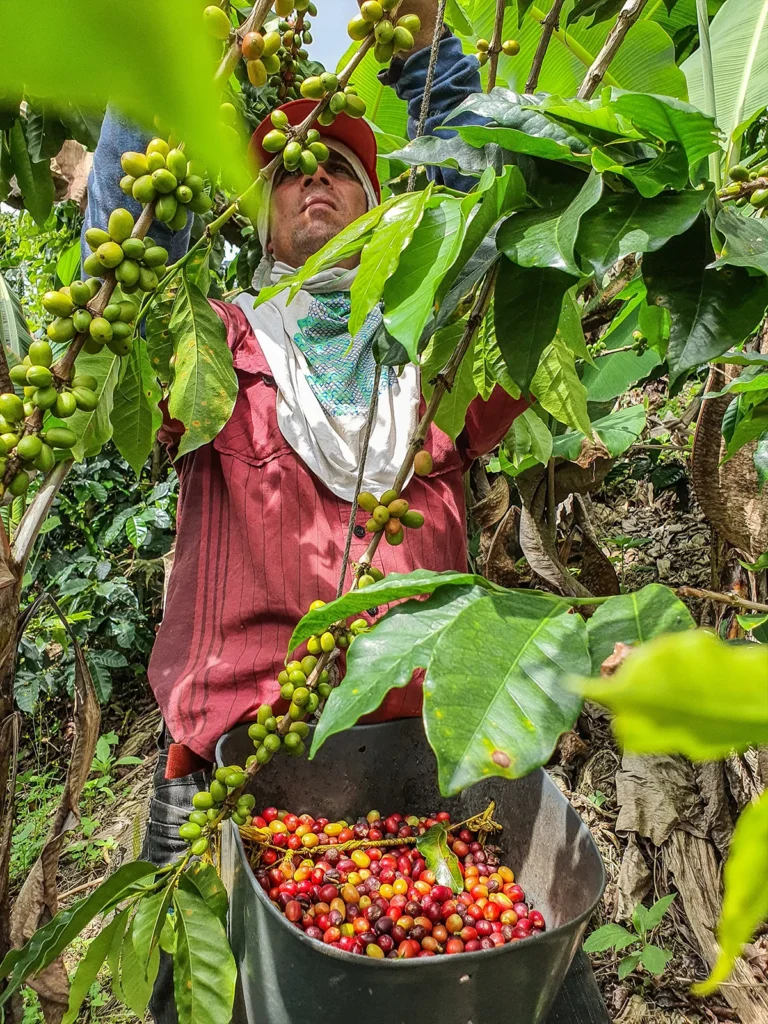
Fast forward to now, and coffee is one of the most heavily traded commodities on the planet, right up there with oil. We’re talking about a global industry worth well over 100 billion dollars annually, supporting the livelihoods of more than 100 million people across dozens of countries. It’s not a niche indulgence. It’s a backbone industry for entire national economies.

The Top 5 Coffee Exporters (And What They're Working With)

1. Brazil
Brazil is the absolute titan of the coffee trade. They export nearly $15 billion worth of coffee annually, shipping out over 50 million 60-kilogram bags a year. Their massive rolling plantations produce about a third of all global supply. When you drink a classic, nutty, chocolatey espresso blend, there is a massive chance a Brazilian farm grew those beans.

2. Vietnam
Vietnam dominates the Robusta market, pulling in over $6 billion in export revenues with roughly 30 million bags shipped. Robusta beans carry nearly double the caffeine of Arabica beans and deliver a punchy, bitter kick. Vietnam turned this bean into an art form with Cà phê sữa đá—a ridiculously strong dark roast poured over crushed ice and sweetened condensed milk.

3. Colombia
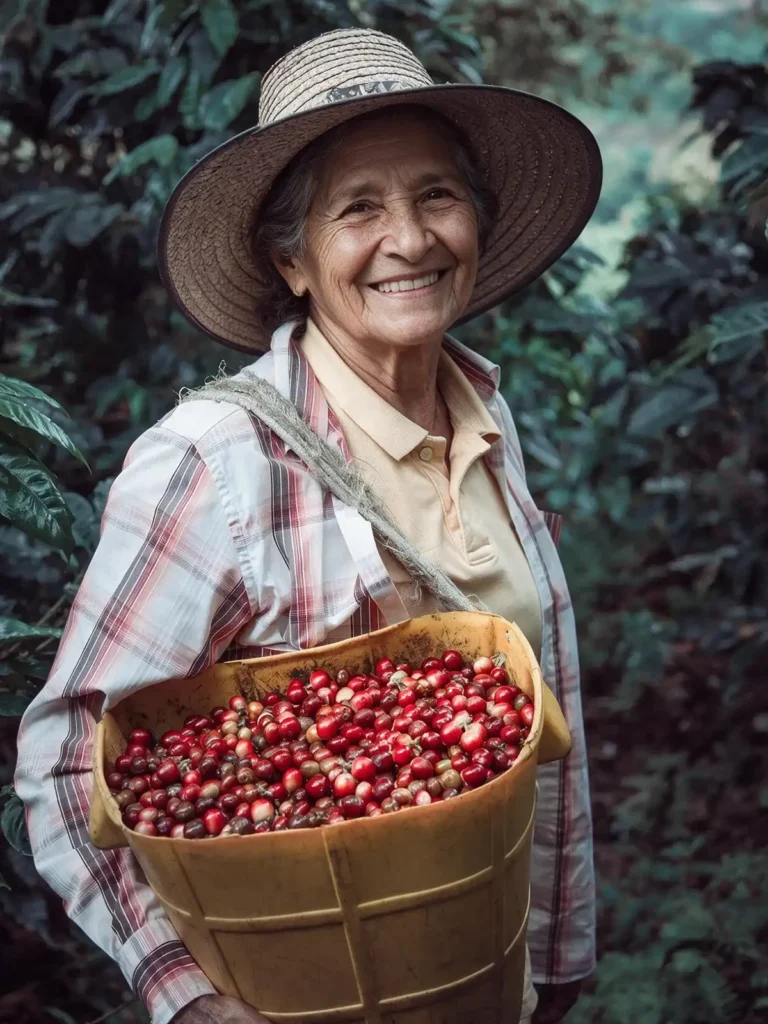
Colombia built a global reputation around smooth, washed Arabica beans. Exporting nearly $6 billion worth of coffee a year, Colombian farmers work steep Andean mountainsides where high altitudes create bright acidity and caramel notes. You get a balanced, bright cup every single time.

4. Ethiopia
Ethiopia ships around $2.85 billion in coffee every year, but their real value is in flavor variety. As the native birthplace of Arabica, wild coffee forests still grow here with thousands of undiscovered plant varieties. Ethiopian beans are famous for smelling like jasmine tea and tasting like fresh blueberries or citrus.

5. Indonesia
Generating over $2.5 billion in coffee exports, Indonesia produces bold, heavy-bodied beans across Sumatra, Java, and Sulawesi. Sumatran coffees undergo a unique wet-hulled processing method that gives the brewed cup a thick texture with earthy, cedar, and dark cocoa notes.

Cultural Titans Outside the Top Exporters

Raw bean exports only tell half the story. Some places do not grow massive crops, yet they completely shaped how the world consumes coffee.

Take Italy, for instance. Italy grows virtually zero coffee beans because of its climate, yet Italian culture dictated how the modern world drinks it. They gave us espresso, macchiatos, cappuccinos, and strict unwritten social etiquette. Order a cappuccino in Rome after 11:00 AM, and the barista will look at you like you just asked for ketchup on a gourmet steak. To Italians, milky coffee belongs strictly to breakfast.

Over in Turkey and the Middle East, coffee is an intense ritual of hospitality. Turkish coffee uses ultra-fine grounds boiled in a small copper pot called a cezve. It gets served unfiltered, dark, and sweet in tiny cups. You drink until you reach the thick mud at the bottom, and tradition says an elder can flip your cup upside down to read your future in the leftover sludge.

Then you have high-altitude micro-climates like Jamaica’s Blue Mountains or the volcanic slopes of Guatemala and Costa Rica. These locations produce prized specialty crops that coffee lovers pay top dollar to sip.

Of course, we can’t forget about the United States, which barely grows coffee (shoutout to Hawaii and its Kona beans) but consumes an enormous amount of it. Americans drink over 400 million cups of coffee daily. Well, the US may not be exporting beans, but it is absolutely doing its part on the demand side.

Gear Up Before You Sip!

Whether you like a bright Ethiopian pour-over, a heavy Sumatran drip, or a sweet Vietnamese iced coffee, the ritual matters just as much as the bean. I firmly believe a bad mug ruins a good coffee experience.

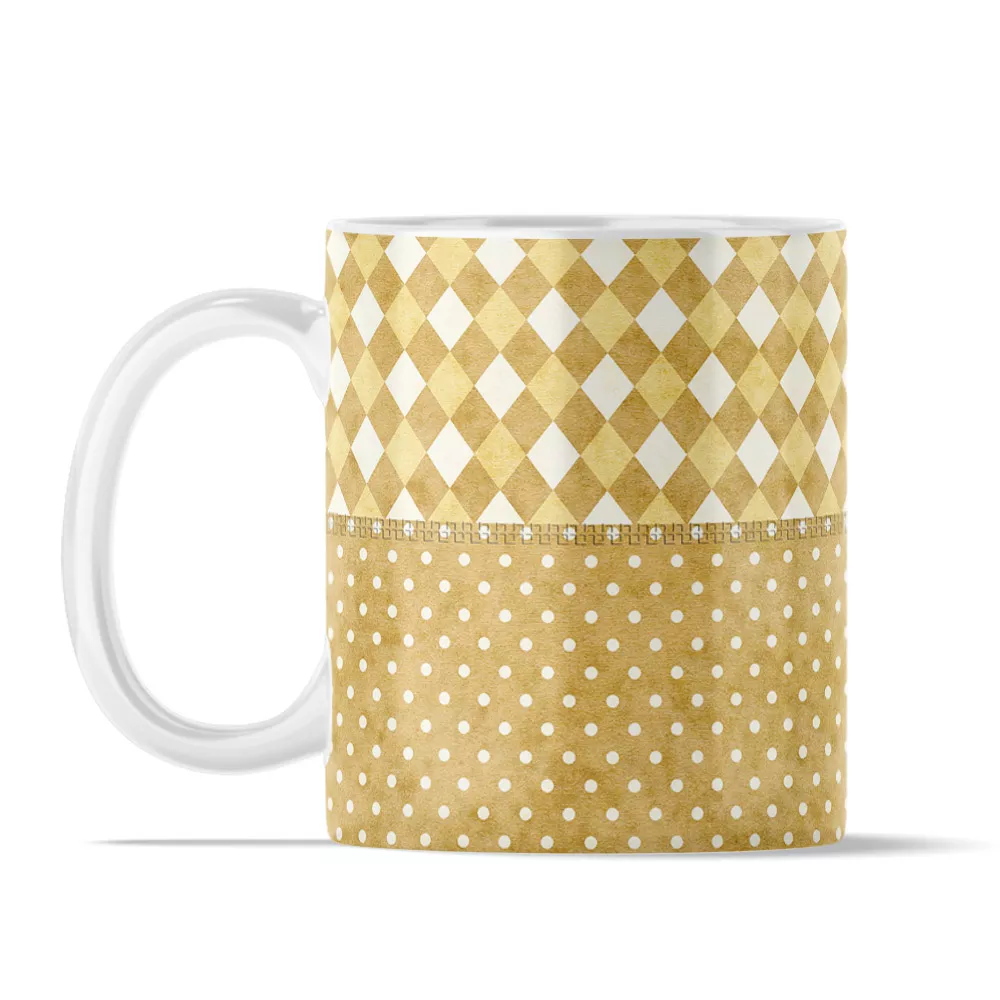
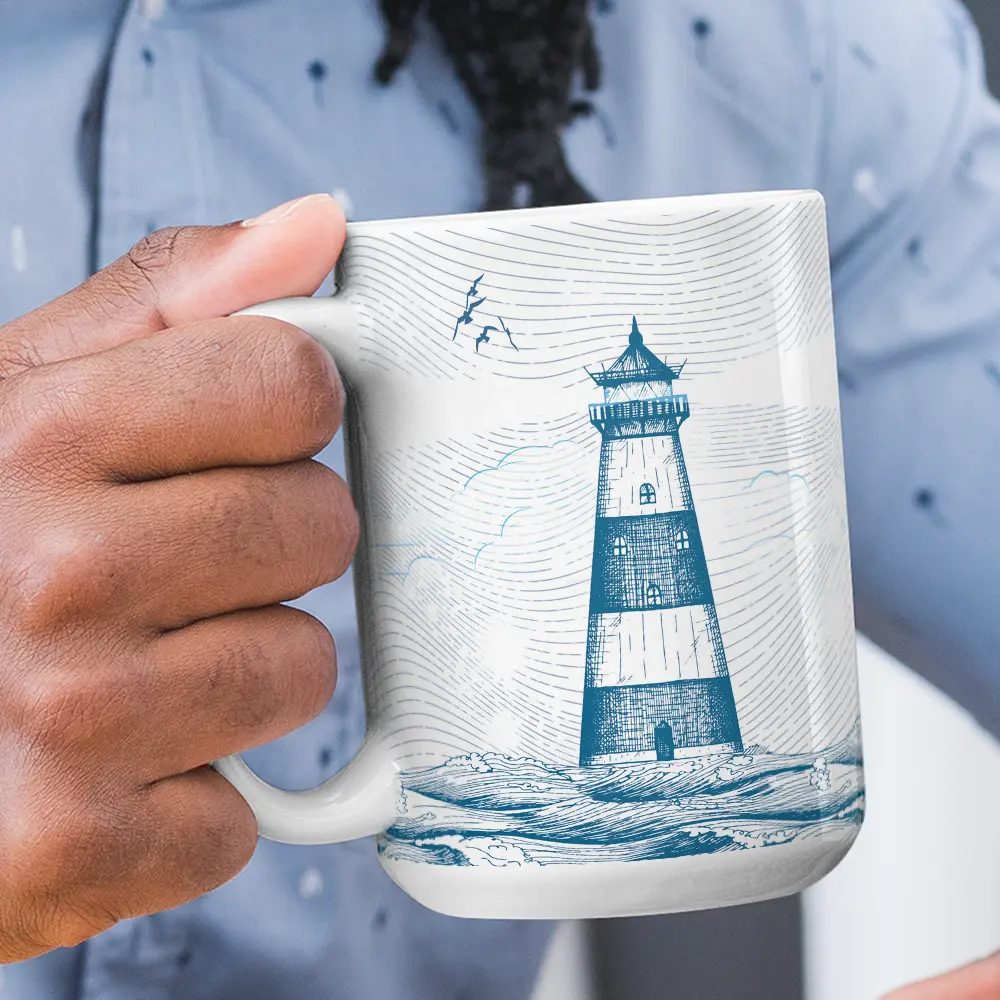
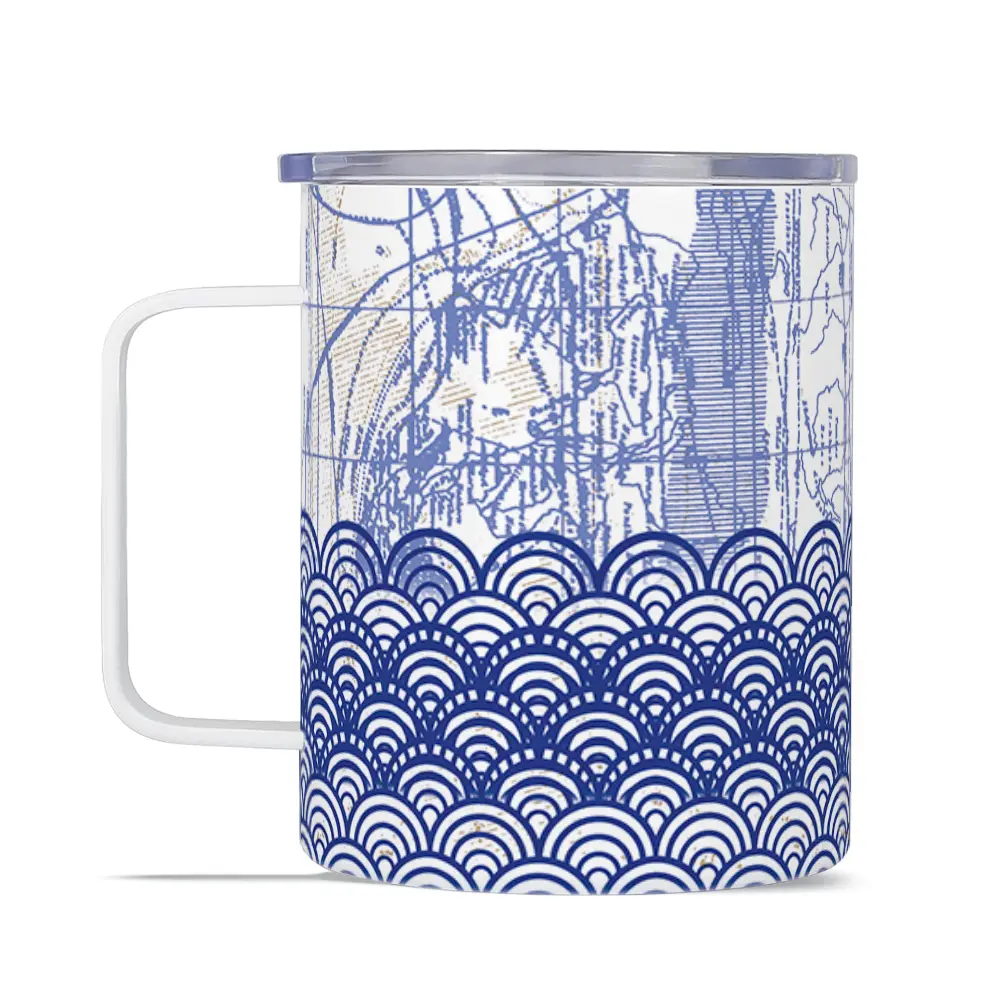
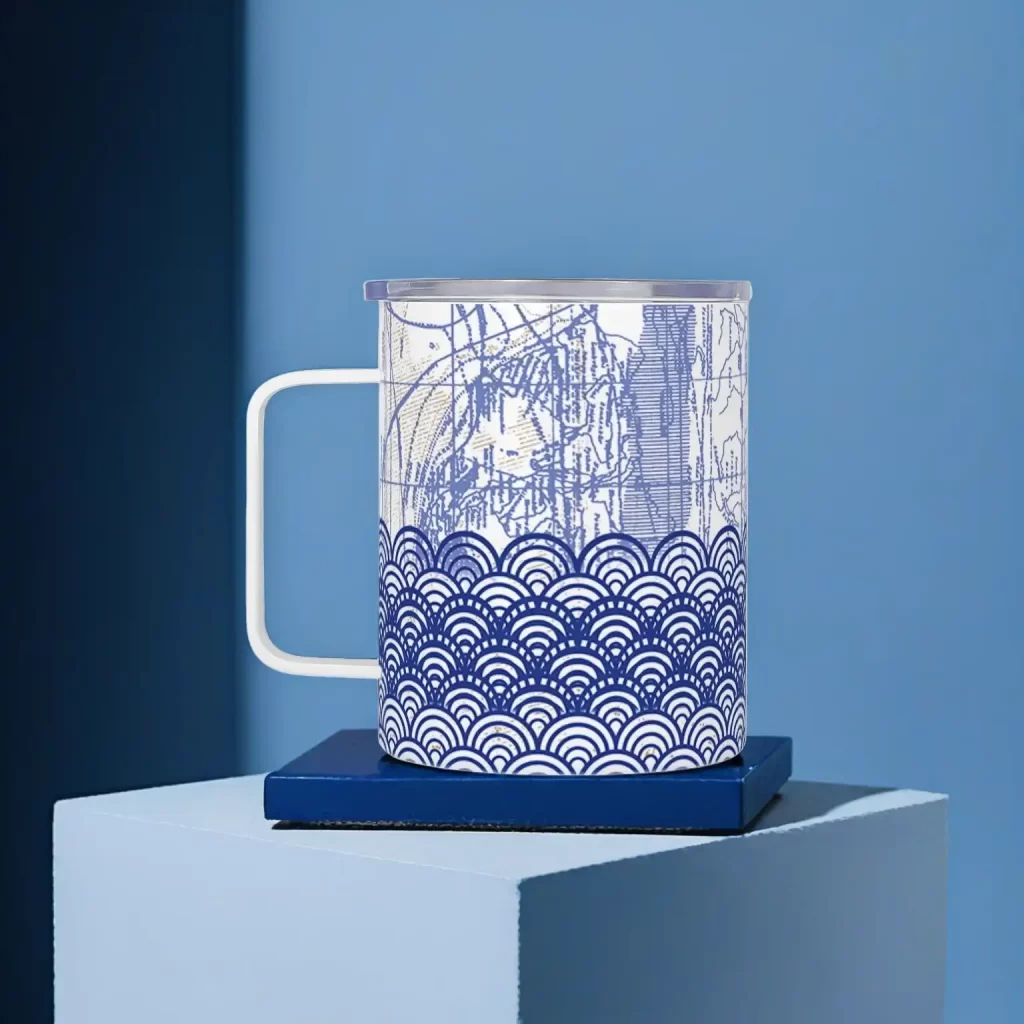
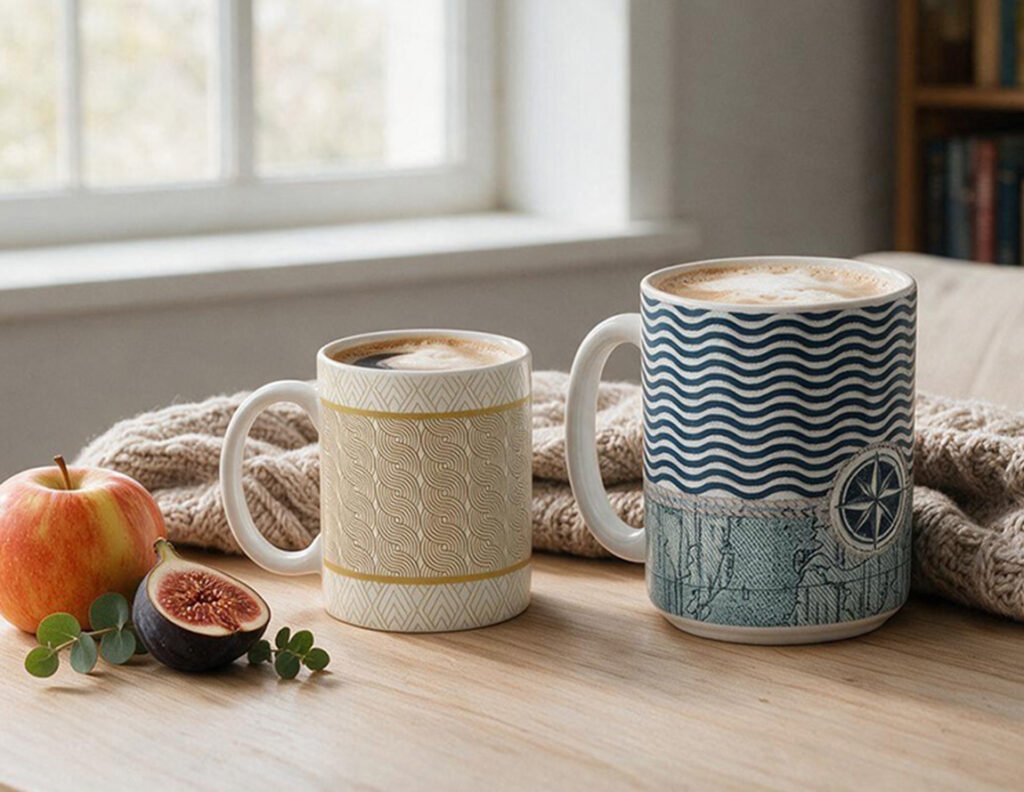
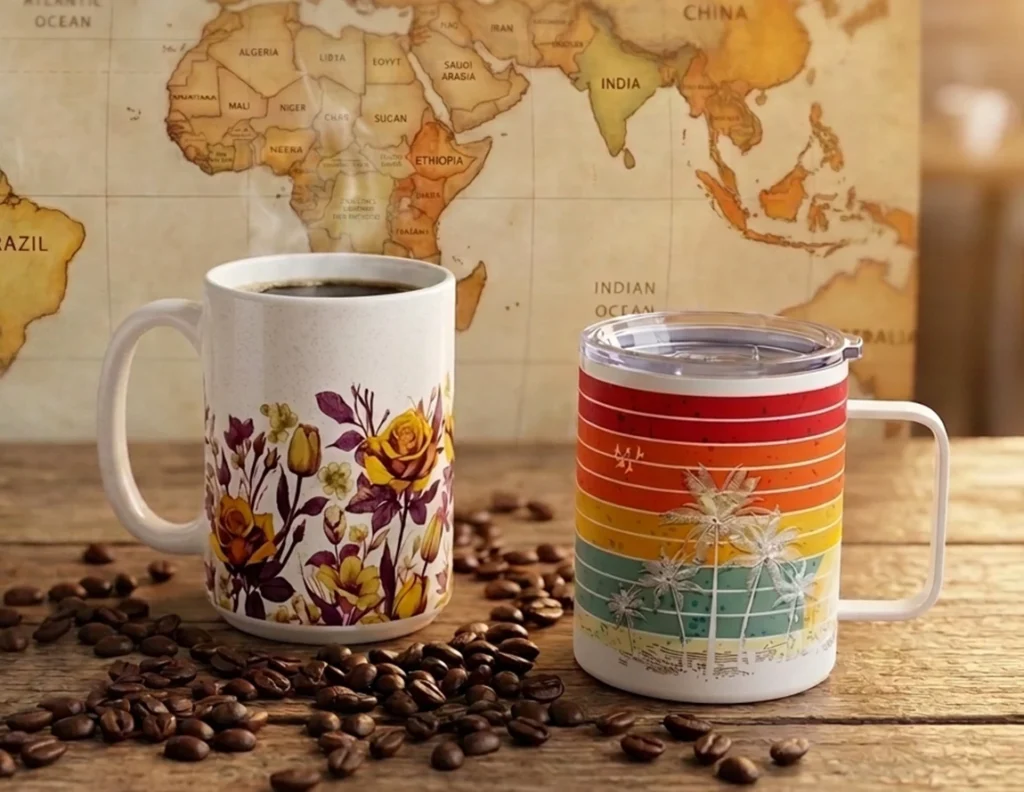
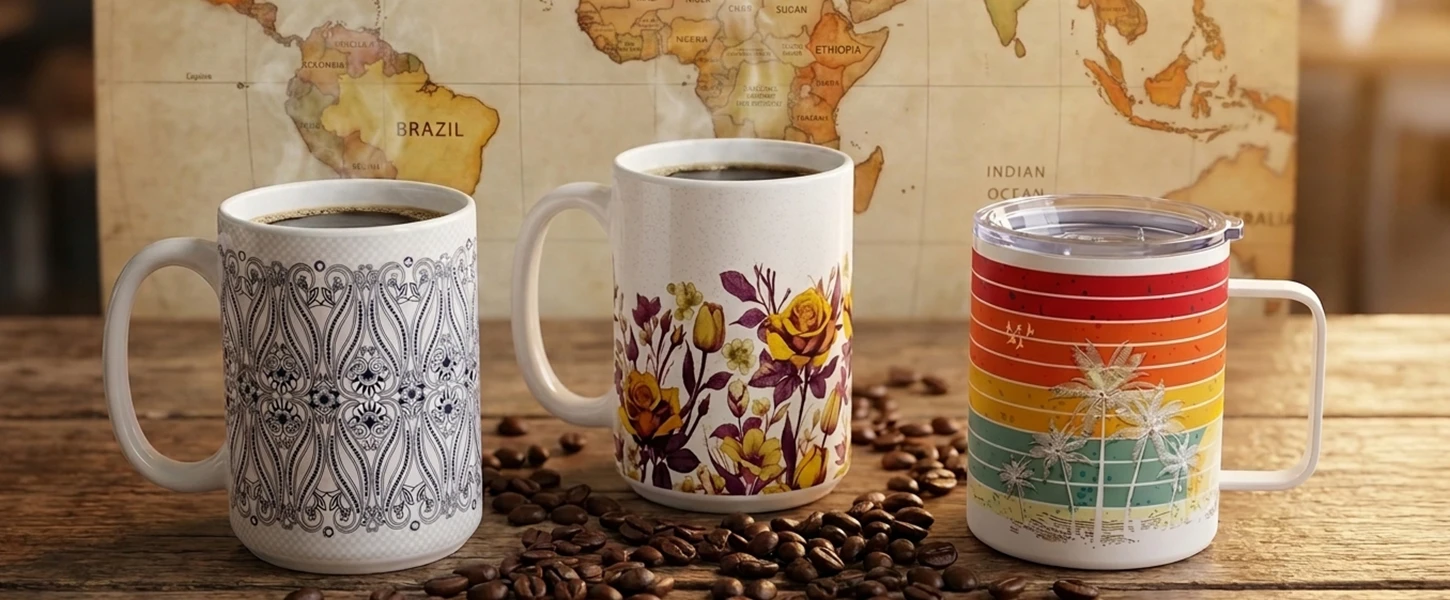
If you need a proper vessel for your daily fix, check out the mug collection right here on the site. We have standard 11oz ceramic mugs for your quick morning drips, heavy-duty 15oz mugs for the days when getting out of bed requires extra emotional support, and insulated Travel Mugs so your brew stays blistering hot while you conquer your commute. Pick up your favorite size today and level up your morning routine.

CHECKOUT OUR MUGS

More from the Blog Corner

Welcome to our Blog Corner, where we write about subjects related to the items that we carry on the website.

...

I drink coffee like it’s my job, because most days, it basically is. Between managing product shoots, editing copy, and

...

I never gave coasters a second thought until I noticed a water ring on my grandmother’s antique side table and

...

I used to pack clunky, scratched-up plastic bottles on every summer trail. Upgrading to a stylish insulated tumbler changed my

...